
Trade Guides
Choosing Plastic Raw Materials: PP, HDPE, LDPE and PET at a Glance
Oct
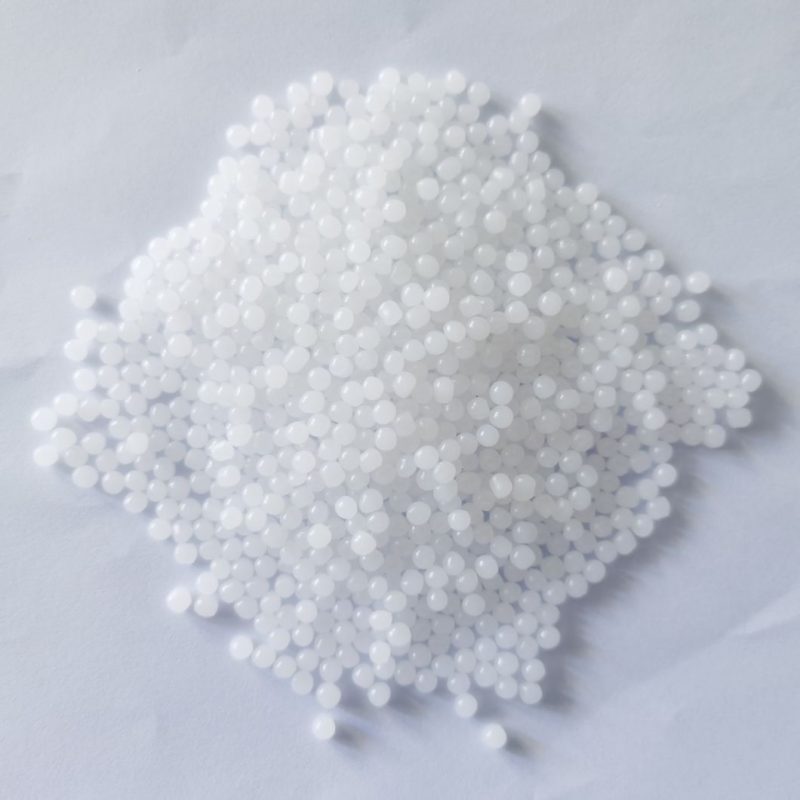
Plastic raw materials are traded as granules, regrind, flakes and resins. Choosing the right polymer and the right grade affects both the quality of your finished product and your production costs. Here is a short overview of four common materials.
Polypropylene (PP)
PP is stiff, light and handles heat better than many other commodity plastics. It is used for food containers, caps and closures, automotive parts, woven bags and household goods.
High-density polyethylene (HDPE)
HDPE is rigid, tough and chemical resistant. Typical uses are bottles, crates, pipes, drums and heavy-duty bags.
Low-density polyethylene (LDPE)
LDPE is soft, flexible and easy to process into film. It is widely used for shopping bags, shrink and stretch film, liners and flexible packaging.
Polyethylene terephthalate (PET)
PET is clear, strong and a good barrier against gases. It is the standard material for beverage bottles and is also used for fibres and sheet. Recycled PET flakes are in high demand for new bottles and textiles.
What to check before you order
- Virgin, regrind or recycled: each has a different price, consistency and approved use.
- Grade and melt flow index (MFI): this must suit your process, whether injection moulding, extrusion or blow moulding.
- Colour, moisture and contamination levels, especially for regrind and flakes.
- Packaging: 25 kg bags, big bags or bulk loads, and how they are palletised.
- Documentation: a technical data sheet, certificate of analysis and, where relevant, food-contact declarations.
Asking for a sample and the technical data sheet before the first full order is a simple way to avoid costly surprises in production.
Looking for plastic granules or regrind?
Tell us the product, quantity and destination and our trade team will send a tailored quotation.
